


AI & DIGITAL LEARNING
Put AI to work.
Make practical progress.
Guided learning for people, teams and organisations.
What would you like to build?
LEARNING, MADE USEFUL
Your next useful skill.

Business · QS09
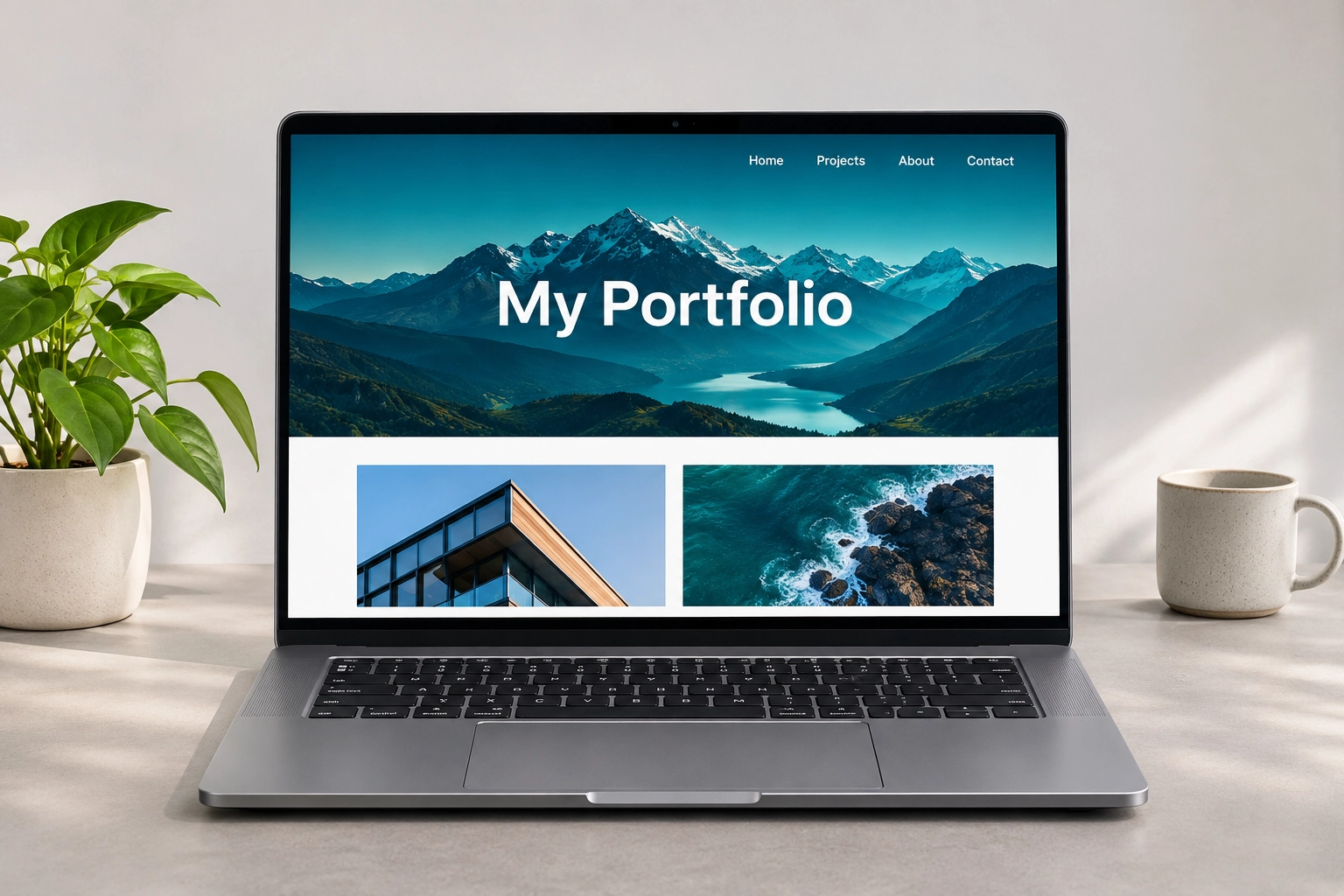
Website and Portfolio Starter
Create a simple template-based page for your business, ideas or work.

Automation · QS14
Your First Workflow Automation
Build and test one template-based workflow in a prepared sandbox.
A different search might help.
Try a task such as emails, websites, teaching or automation.
START WITH THE TIME YOU HAVE
A format that fits
your next step.
A quick way to explore how learning
could work for you and your team.
Practical Studio · 4–6 hours
Discuss this format →Go from a guided example to an output of your own.

A useful skill.
Something to show.
Turn what you learn into real work outputs.
HOW THE LEARNING FEELS
Learning
by doing.
See it. Try it.
Make it yours.
YOUR PRACTICAL TASK
FROM AN IDEA TO AN OUTPUTMake the next
Make the next
step clearer.
01 Choose a real task ✓
02 Build a first version ✓
03 Review and improve →
- 01
See a clear example.
Short explanations and a live demonstration make the task easier to follow.
- 02
Work with a relevant challenge.
Use a task that connects to your role, your team or the idea you want to develop.
- 03
Practise with guidance.
Try the steps yourself, ask questions and improve the first version.
- 04
Keep something useful.
Build an output, with notes or a template to help you take the next step.
- 05
Learn in a format that fits.
Agree the delivery, pace and practical task around the group and programme.
Learn with people who practise.
Academic insight.
Real-world practice.
Learn from practitioners who combine strong academic understanding with hands-on experience in real projects and applied digital work.
Meet all trainersBuild capability
across your team.
A practical programme shaped around
your people and their work.

THE HATI ACADEMY APPROACH
Bring the learning
closer to your work.
A clear view of what an applied
learning experience is designed to do.
| The experience | Presentation-led session | HATI AcademyApplied learning studio |
|---|---|---|
| Starting point | A topic to understand. | A task, work goal or team challenge. |
| In the session | Watch examples and take notes. | Try the task, ask questions and build. |
| What you leave with | A better understanding of the topic. | A useful output within the programme scope. |
| How progress is checked | Check understanding of the content. | Review the work against the practical task. |
| Your next step | Decide how to apply the ideas later. | Know what to refine, use or share next. |
Comparing learning formats. The task and outputs are defined in each programme.
Something to show.
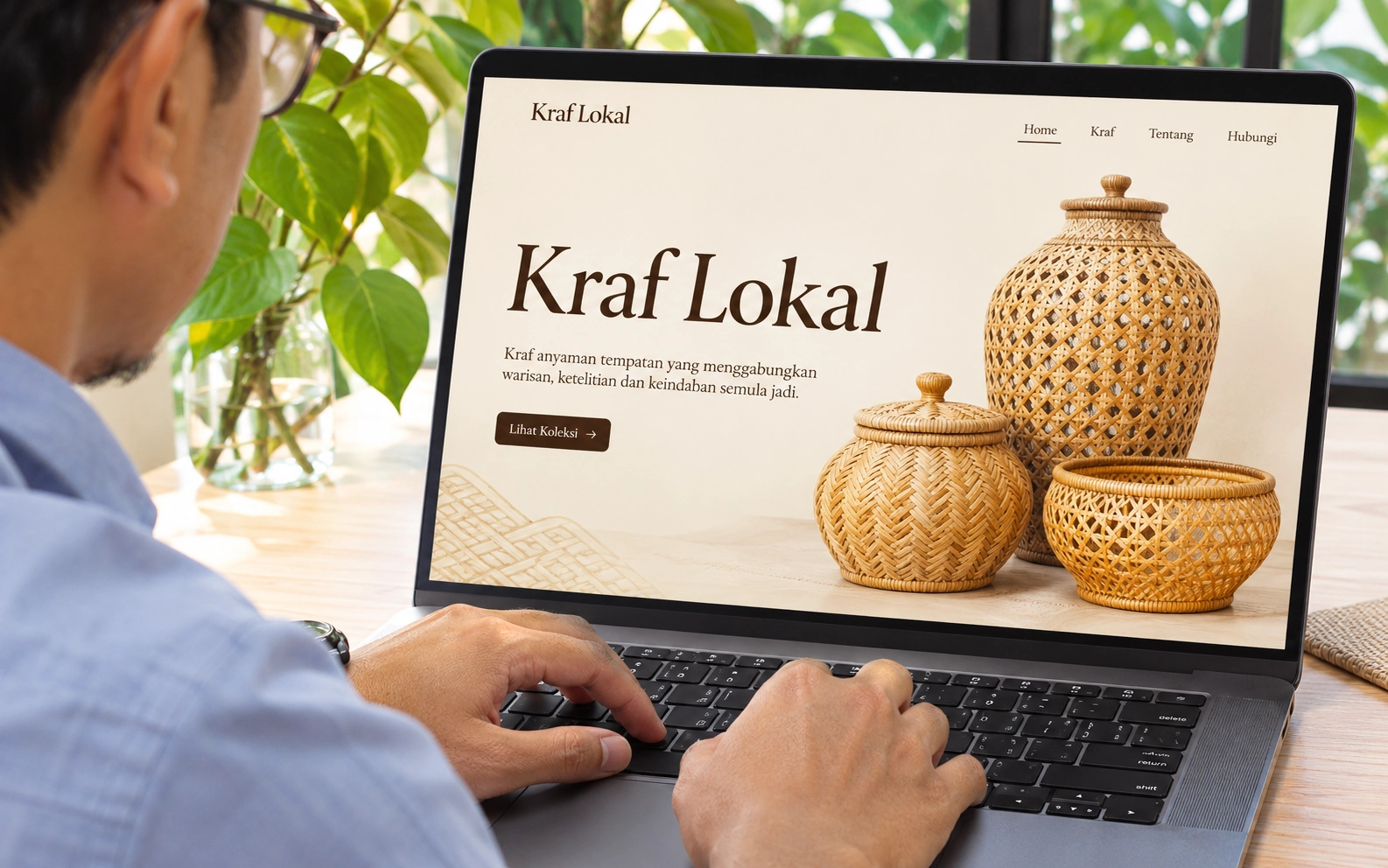
A real website you can publish.
From idea to a simple, professional site.

A clear action plan.
Turn ideas into organised, doable steps.

A business-ready visual.
Design a clear, effective poster for your brand.
Illustrative learning examples. See each programme for its scope and outputs.
THE LEARNING EXPERIENCE
Small steps. Useful progress.
Choose a useful goal.
Start with a task you want to improve, or let us help your team find a starting point.
Practise with guidance.
Work through examples, try the tools and review what you produce.
Leave with something useful.
Take away a practical output and a clearer idea of your next step.
BEFORE YOU START
A few useful answers.
Do I need experience with AI?
Start with a Foundation programme such as AI Starter. Each full programme page explains its prerequisites.
Can you train our organisation?
Share your team’s goals, approximate size and preferred timing. The programme and delivery plan can be discussed around that brief.
What should I bring?
Check the selected programme’s preparation and tool requirements. Your confirmed training arrangement will specify what is needed.
How do I choose a programme?
Browse by Work, Business, Education or Automation, or prepare an enquiry with the task you want to improve.
BETTER CONNECTIONS. SHARED POSSIBILITIES.
Collaboration Partners
Connecting learning, industry and communities
to create more possibilities together.